UV Sapphire
Crystal Structure and Properties
-Sapphire is a crystalline form of aluminum oxide (Al2O3) with a rhombohedral crystal structure.
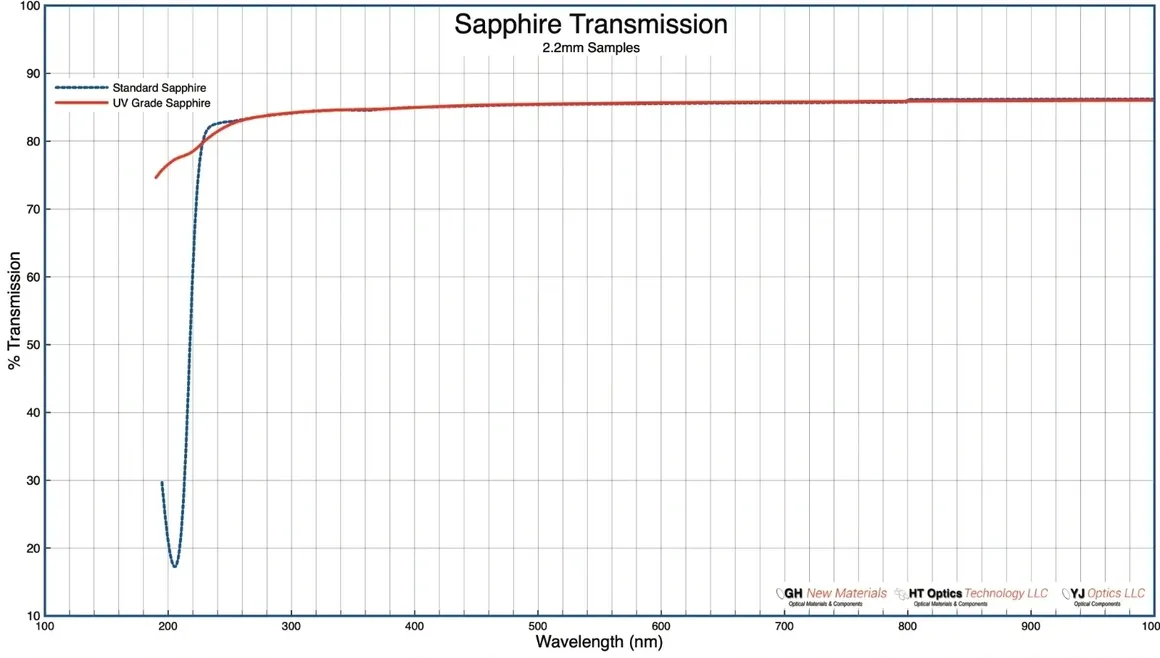
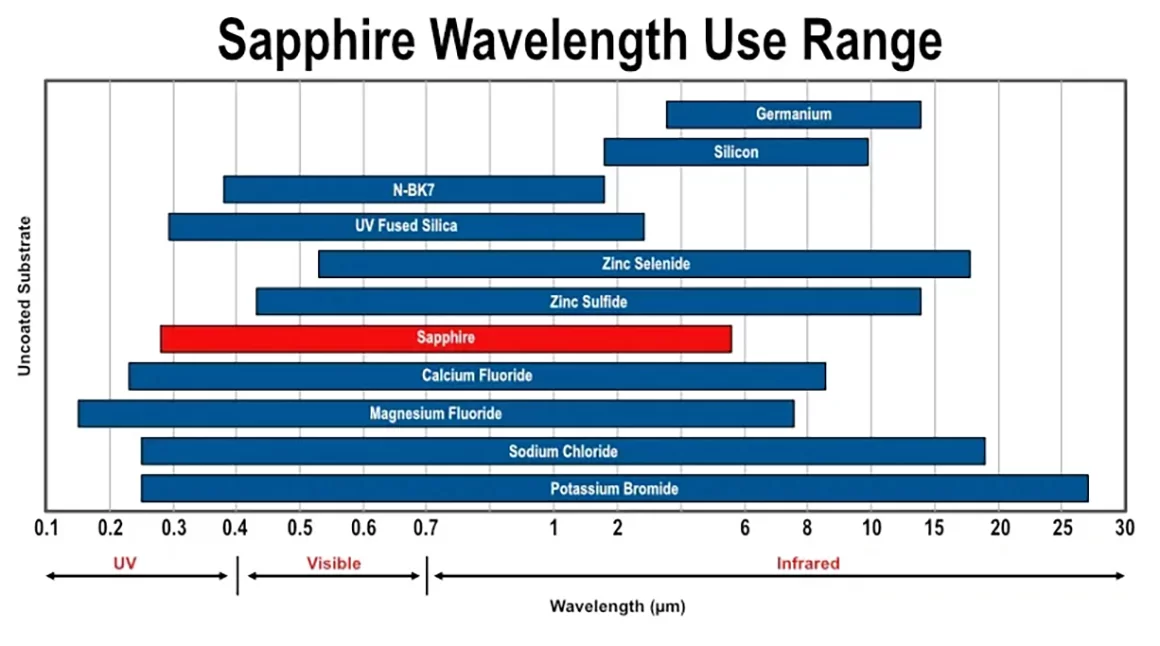
-It has an extremely wide bandgap of 8.7 eV, making it transparent from the deep ultraviolet (UV) to the mid-infrared (IR) region, with a broad transmission range of 0.15 μm to 5.5 μm.
-Sapphire exhibits exceptional hardness (Mohs hardness of 9) and chemical inertness, making it highly resistant to scratches, abrasion, and harsh environments.
-It has a high melting point of 2,050°C and excellent thermal conductivity, allowing it to withstand high temperatures and intense radiation.
-Sapphire has a relatively high refractive index of 1.77 in the visible range, which is useful for optical components requiring high refractive index materials.
Optical Applications
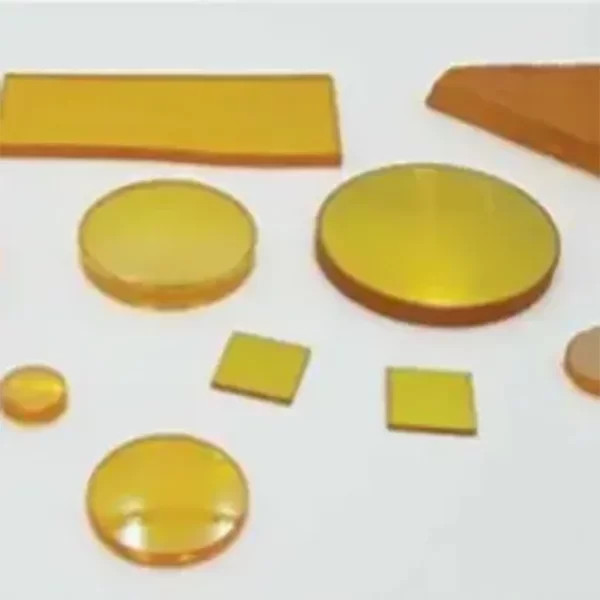
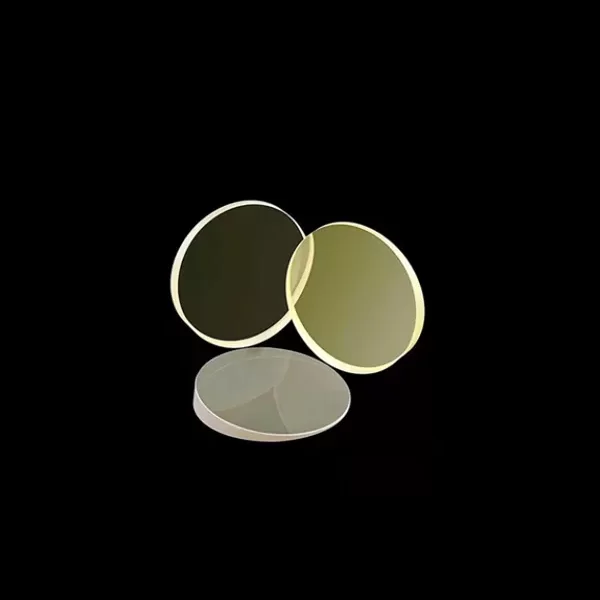
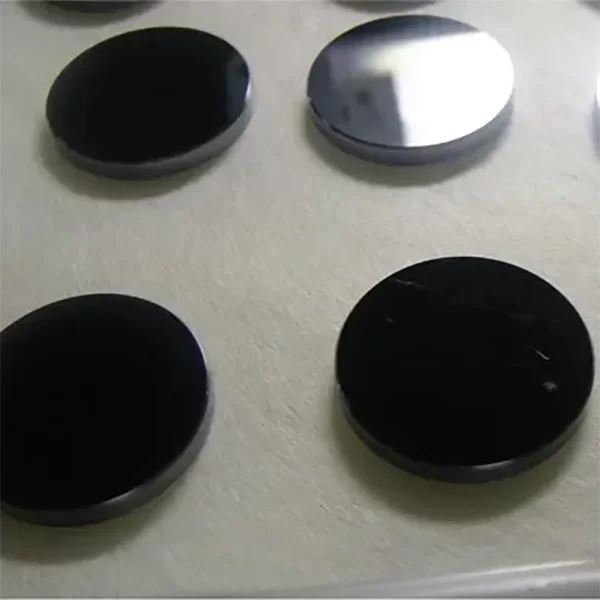
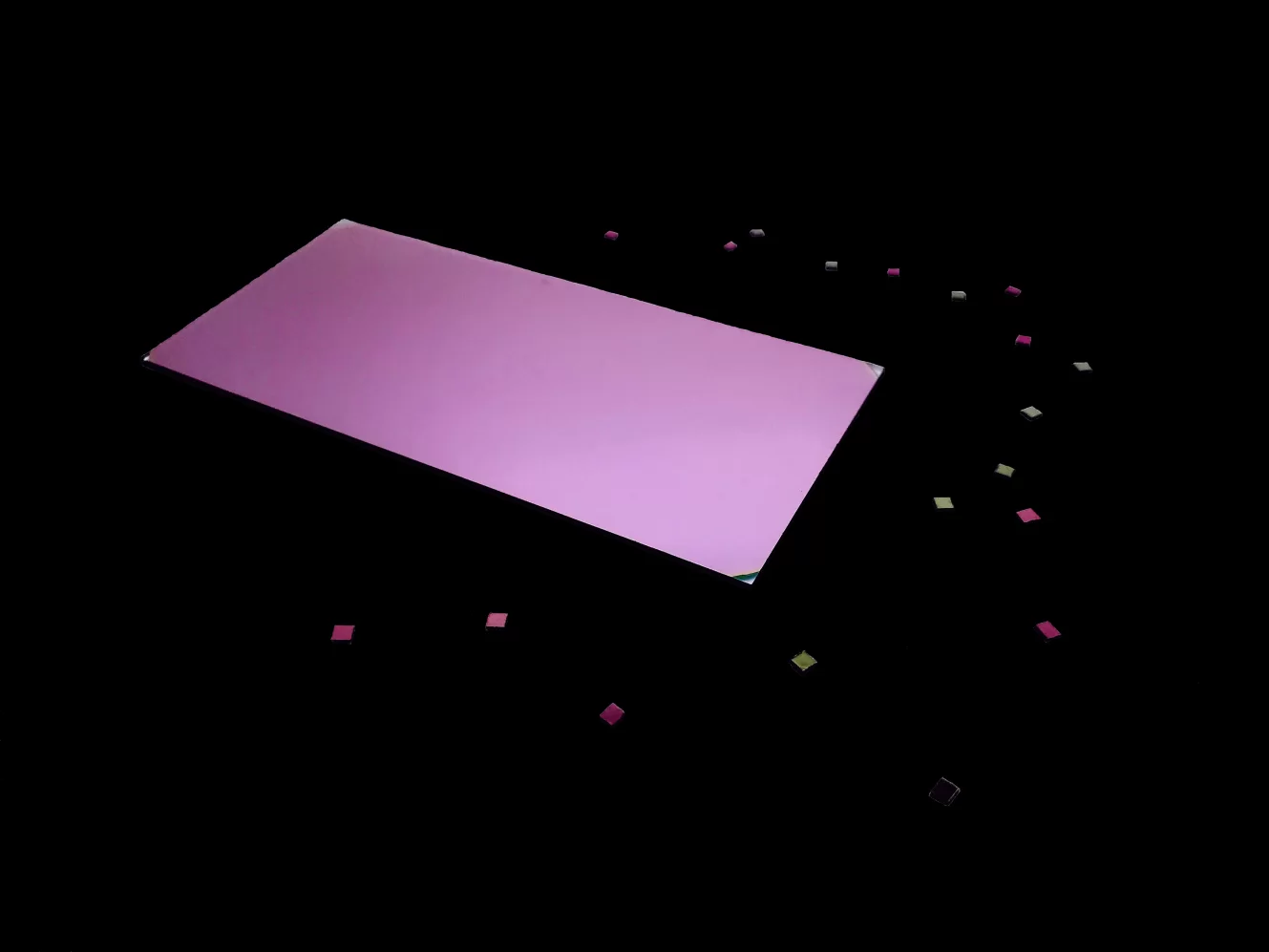
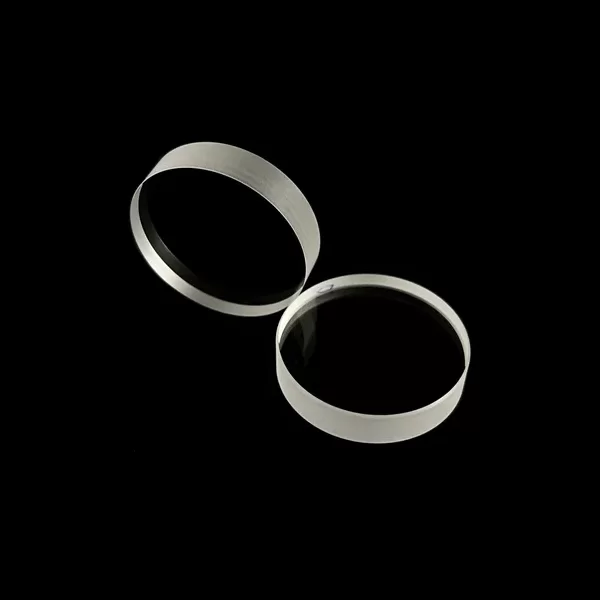
-UV Optics: Sapphire is widely used for optics in the UV region, such as lenses, windows, and filters, due to its wide bandgap and excellent UV transparency.
-Laser Optics: Sapphire is commonly employed in high-power laser systems as a material for laser rods, windows, and other optical components, owing to its exceptional thermal and mechanical properties.
-Infrared Optics: Sapphire is utilized for infrared optics, such as lenses, windows, and domes, in applications where high temperatures, intense radiation, or harsh environments are encountered.
-Protective Coatings: Sapphire is used as a protective coating material for optical components, such as camera lenses and watch crystals, due to its exceptional hardness and scratch resistance.
Fabrication and Processing
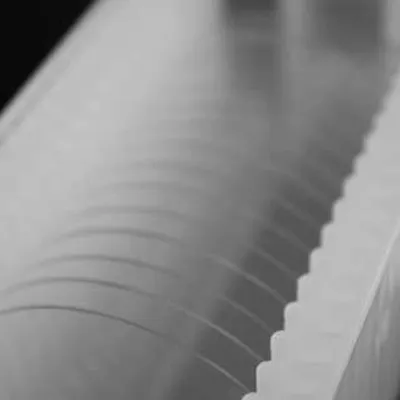
-Single-crystal sapphire is typically grown using techniques like the Czochralski process, heat exchanger method (HEM), or edge-defined film-fed growth (EFG) method.
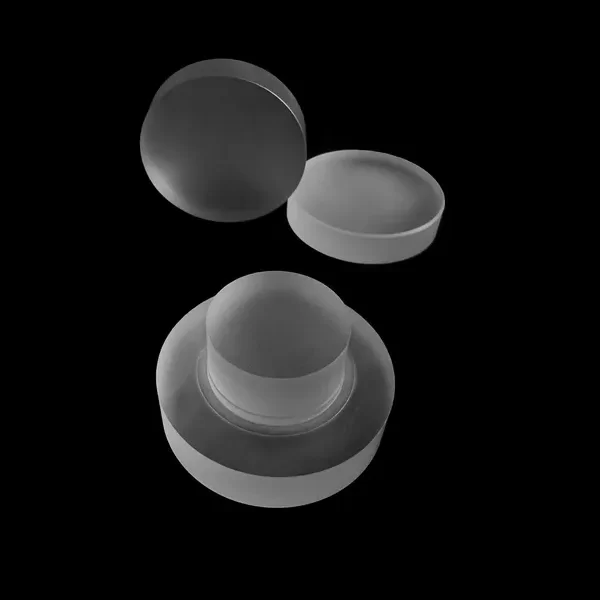
-Sapphire can be polished to obtain high-quality optical surfaces with extremely low surface roughness.
Challenges and Limitations
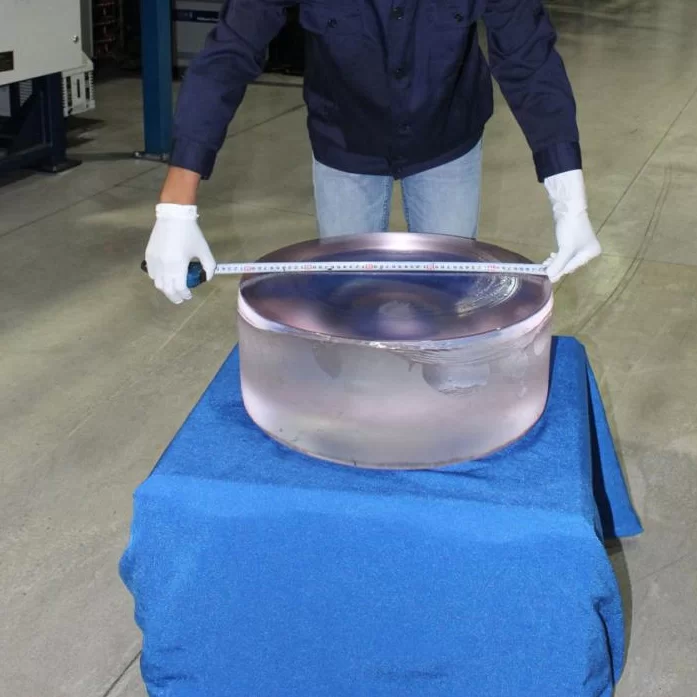
-The fabrication of high-quality, large-diameter sapphire crystals can be challenging and expensive due to the high temperatures and specialized techniques required.
-Sapphire is a birefringent material, meaning it exhibits double refraction, which can be a limitation in certain optical applications where polarization effects need to be minimized.
-The high hardness of sapphire can make machining and processing more difficult compared to softer optical materials.