Crystal Structure and Properties
-Germanium is a semiconductor material with a diamond cubic crystal structure.
-It has a narrow direct bandgap of 0.67 eV at room temperature, making it suitable for applications in the infrared (IR) spectral region.
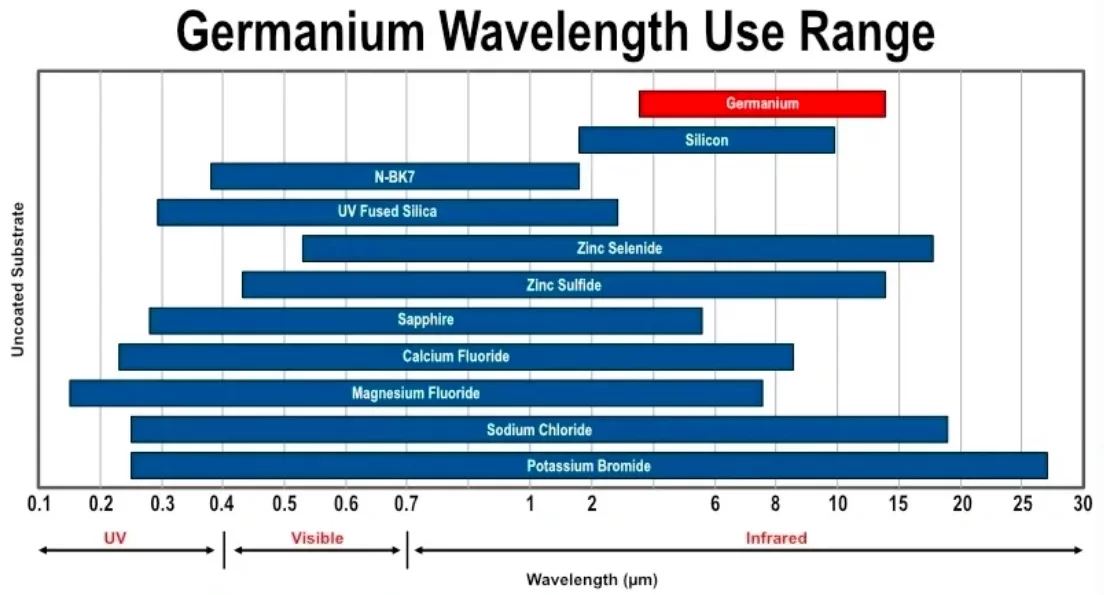
-Ge exhibits high transparency over a broad wavelength range, from 2 μm to 14 μm, covering the mid-infrared and long-wave infrared regions.
-It has a relatively high refractive index of around 4.0 in the infrared region, which is useful for optical components requiring high refractive index materials.
-Ge has a low thermal expansion coefficient and high thermal conductivity, making it resistant to thermal stress and suitable for high-power applications.
Optical Applications
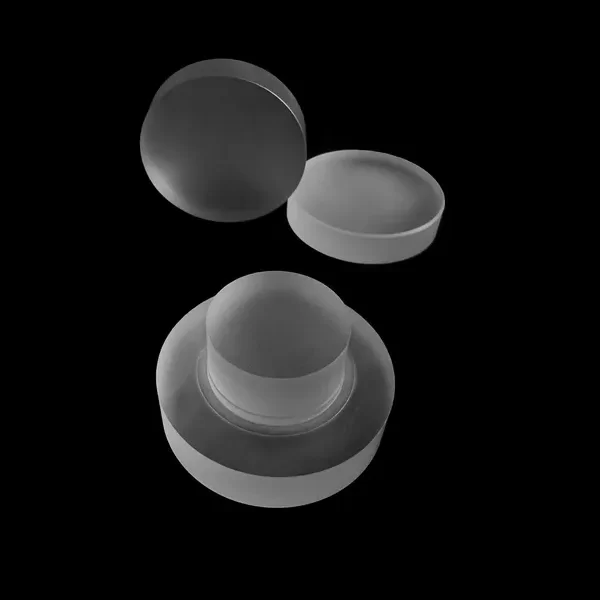
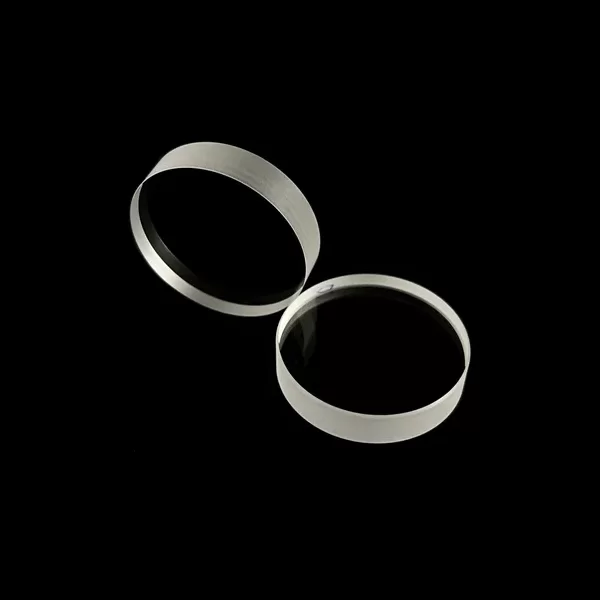
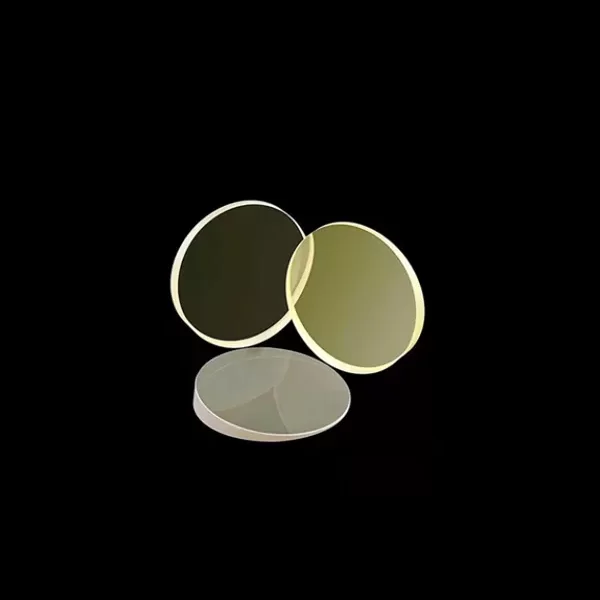
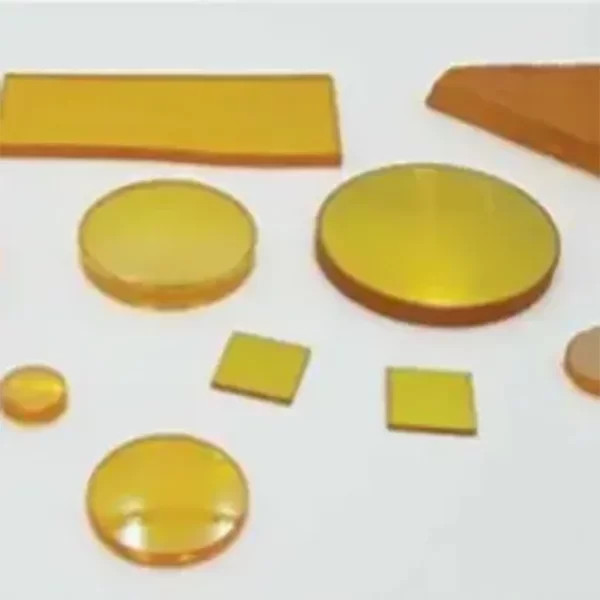
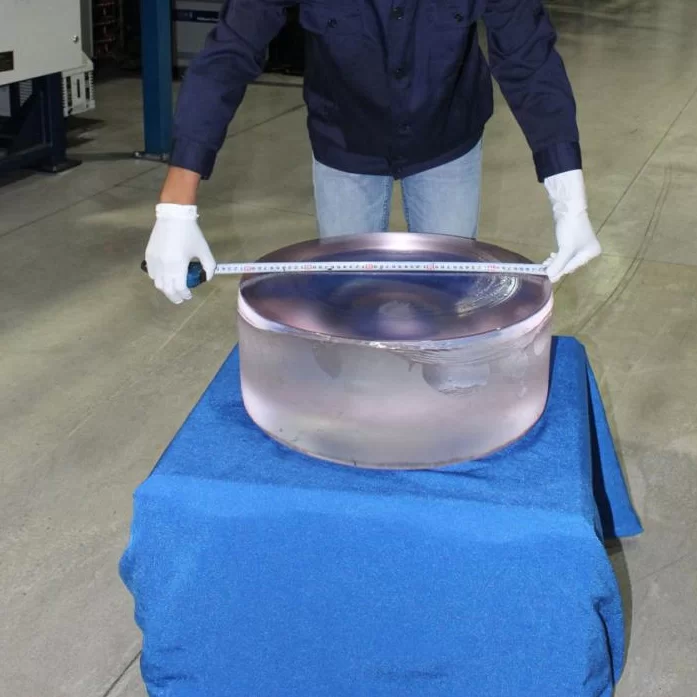
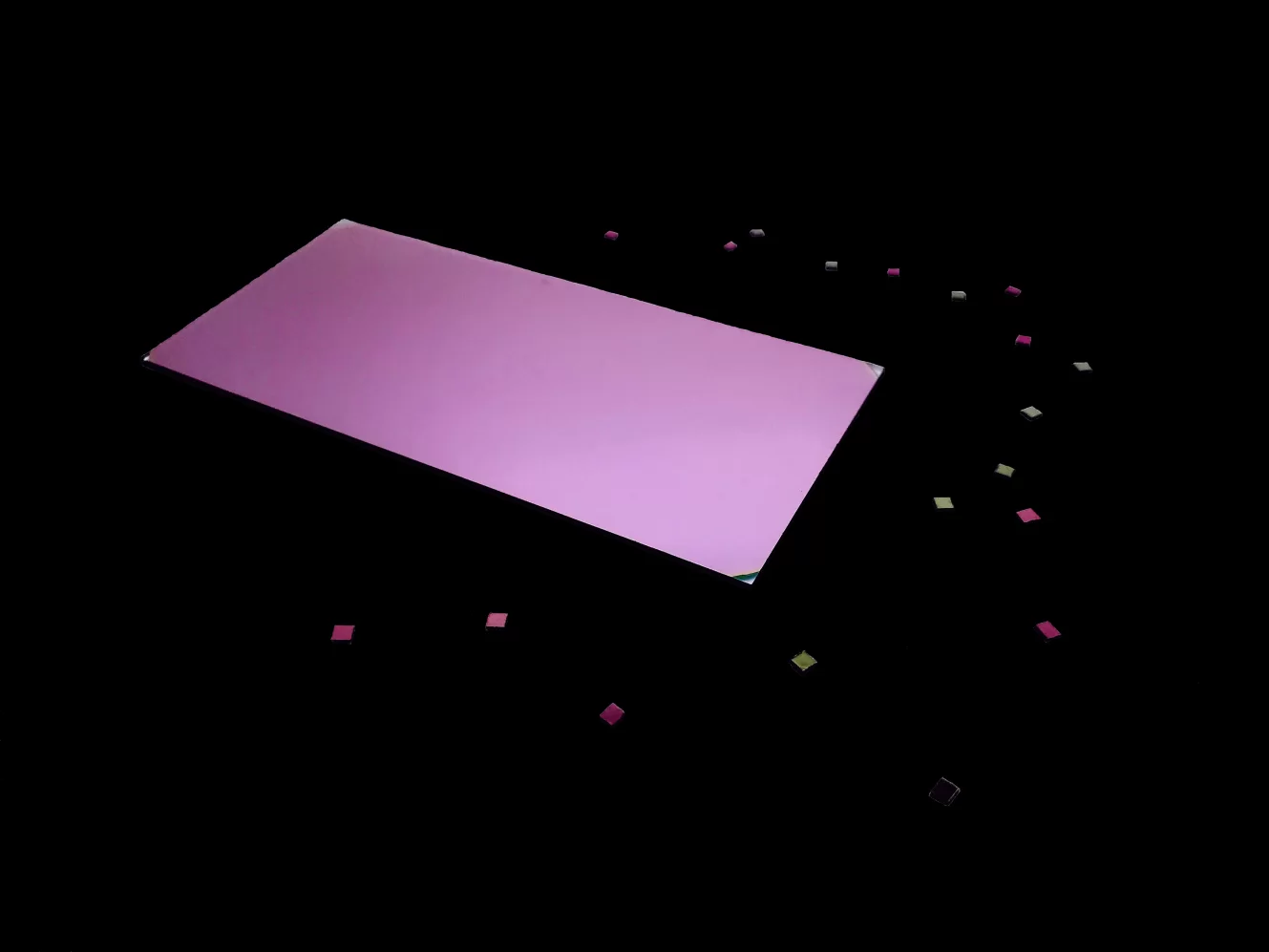
-Infrared Optics: Ge is extensively used for infrared optics, such as lenses, windows, prisms, and beam splitters, due to its broad transparency range and low absorption in the infrared region.
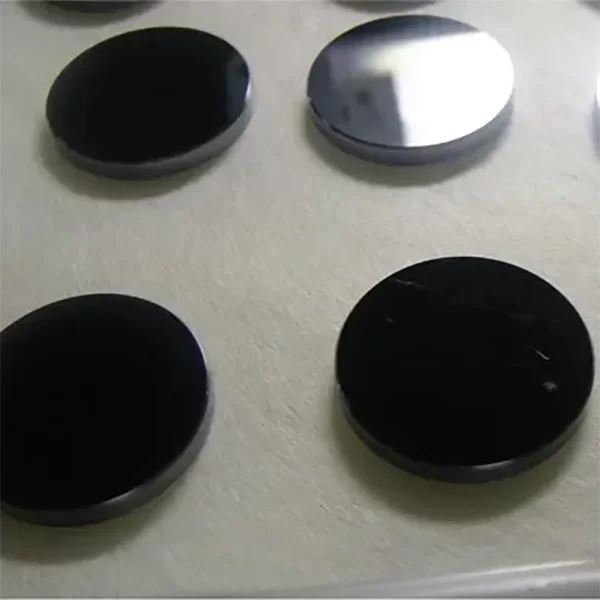
-Thermal Imaging: Ge lenses and windows are employed in thermal imaging systems, night vision devices, and infrared cameras for their excellent mid-infrared and long-wave infrared transmission.
-Fiber Optics: Ge is used as a core material in infrared optical fibers for applications in communication systems, sensing, and spectroscopy.
-Detectors: Ge is used as a photodetector material for infrared radiation detection and imaging applications.
Fabrication and Processing
-Thin films of Ge can be deposited using techniques such as molecular beam epitaxy (MBE), chemical vapor deposition (CVD), and sputtering.
-Ge can be doped with various elements, such as gallium or antimony, to modify its electrical and optical properties for specific applications.
Challenges and Limitations
-Ge is a relatively soft material with a Mohs hardness of around 6.5, making it susceptible to scratches and abrasion, which can limit its use in certain applications.
-Ge has a relatively low melting point (937°C) compared to other semiconductor materials, which can pose challenges during high-temperature processing or applications.