Zinc Selenide (ZnSe)
Crystal Structure and Properties
-ZnSe crystallizes in a cubic lattice structure.
-It has a wide bandgap of 2.67 eV at room temperature, making it suitable for applications in the visible and near-infrared spectral regions.
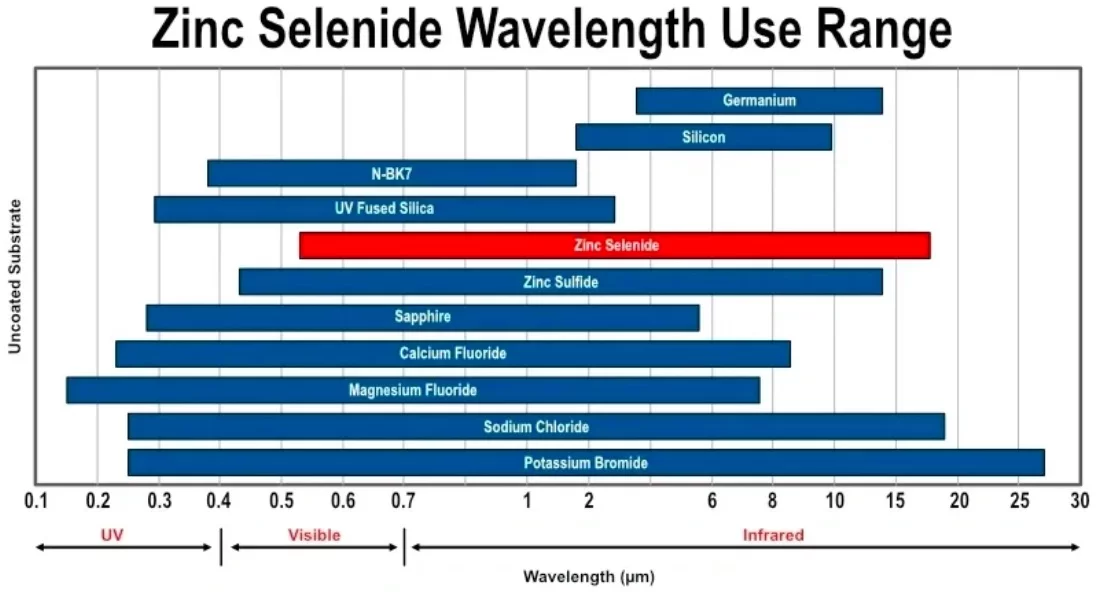
-ZnSe exhibits high transparency over a broad wavelength range, from 0.5 μm to 20 μm, covering the visible and infrared regions.
-It has a high refractive index of approximately 2.67 in the visible range, which is useful for optical components that require high refractive index materials.
-ZnSe has a relatively low thermal expansion coefficient, making it resistant to thermal stress and suitable for high-power applications.
Optical Applications
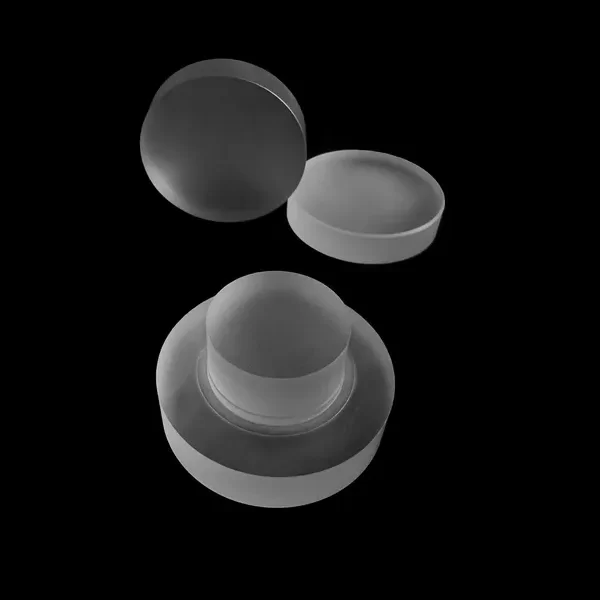
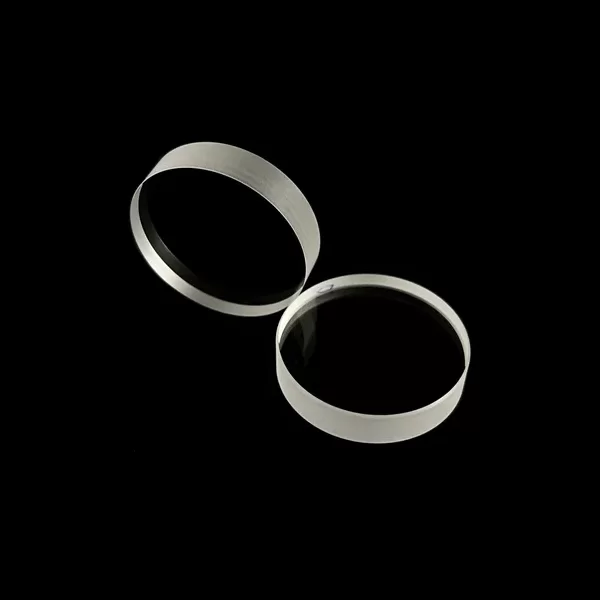
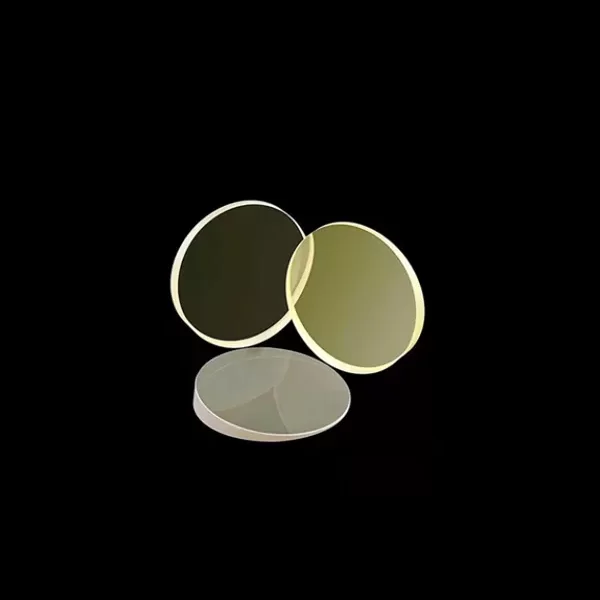
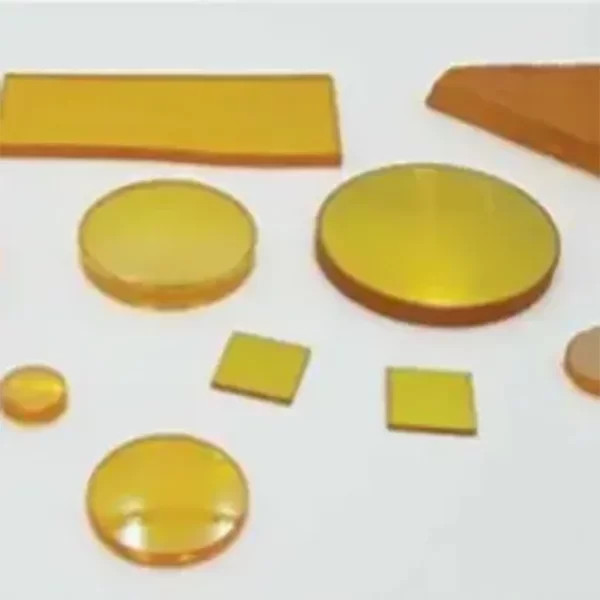
-Infrared Optics: ZnSe is widely used for infrared optics, such as lenses, windows, and prisms, due to its broad transparency range and low absorption in the infrared region.
-Laser Optics: ZnSe is commonly employed in solid-state lasers as a nonlinear optical material for frequency conversion and harmonic generation.
-Optical Coatings: ZnSe can be deposited as thin films for optical coatings, such as antireflective coatings, high-reflective coatings, and beam splitters.
-Imaging Systems: ZnSe lenses and windows are used in thermal imaging systems, night vision devices, and infrared cameras due to their excellent infrared transmission.
-Fiber Optics: ZnSe is used as a core material in infrared optical fibers for applications in communication systems, sensing, and spectroscopy.
Fabrication and Processing
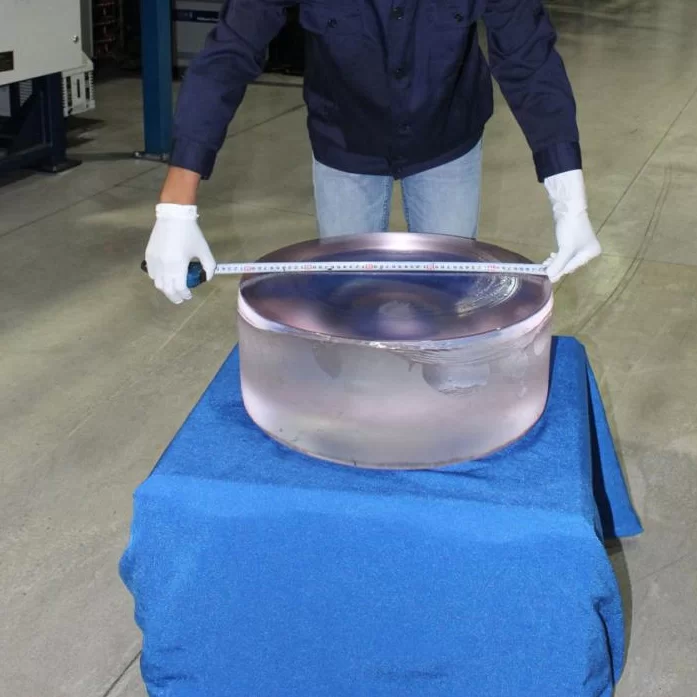
ZnSe can be grown as bulk single crystals using various techniques, such as chemical vapor transport (CVT) and physical vapor transport (PVT) methods. - Polycrystalline ZnSe can be produced by hot isostatic pressing (HIP) or sintering processes. - Thin films of ZnSe can be deposited using techniques like molecular beam epitaxy (MBE), chemical vapor deposition (CVD), and sputtering. - ZnSe can be doped with various elements, such as chromium, iron, or transition metals, to modify its optical and electrical properties for specific applications.
Challenges and Limitations
-ZnSe is a relatively soft material with a Mohs hardness of around 5, making it susceptible to scratches and abrasion, which can limit its use in certain applications.
-ZnSe is sensitive to moisture and can degrade in humid environments, requiring proper encapsulation or protective coatings.